Edge & bore deburring
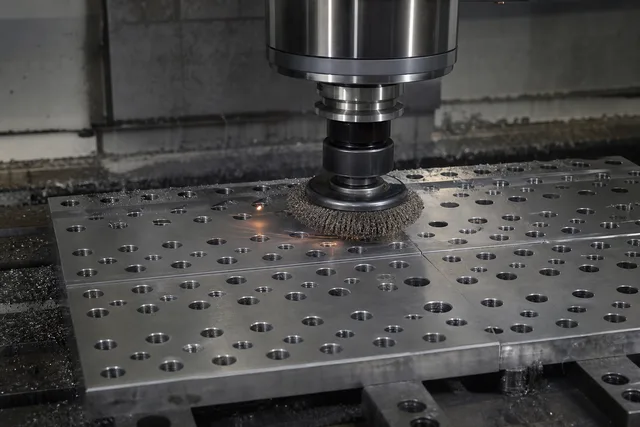
Reach exposed edges with a disc brush and internal surfaces with a bore brush. Agree the required finish on a sample.
Discuss this process →Industries & applications
From cleaning and sealing to deburring, guiding and supporting. Start with the job, then explore brush construction and sizes.
01 / 07 · Industries & applications
Match the brush to the edge, bore or surface you need to treat.
02 / 07 · Industries & applications
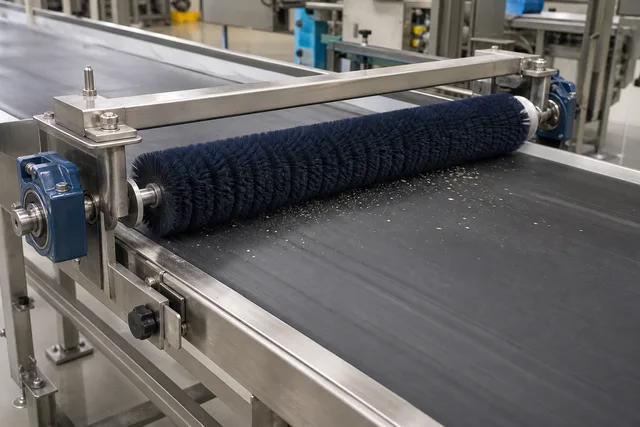
Clean the belt, guide the product or support a sensitive surface.
03 / 07 · Industries & applications
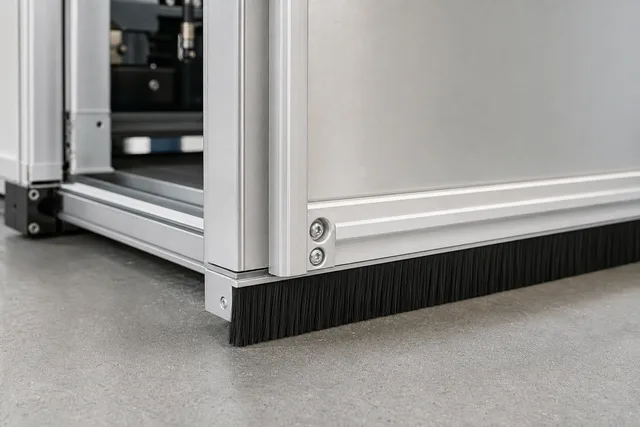
Review the gap, movement and fixing before selecting a brush seal.
04 / 07 · Industries & applications
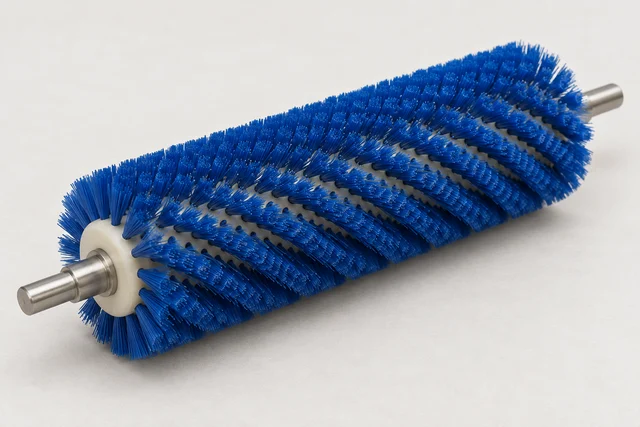
Choose contact materials around the glass surface and cleaning process.
05 / 07 · Industries & applications
Separate cleaning, guiding and equipment maintenance requirements.
06 / 07 · Industries & applications
Brush components for agricultural equipment and grooming replacements.
07 / 07 · Industries & applications
Match replacement brushes to the sweeper and working surface.
Processes, brushes & dimensions
Match the brush to the edge, bore or surface you need to treat.
Reach exposed edges with a disc brush and internal surfaces with a bore brush. Agree the required finish on a sample.
Discuss this process →Wheel and cup constructions access different surfaces. Confirm wire material, tool interface and permissible brush speed.
Discuss this process →Review the current surface and an approved finish sample before selecting fill and contact pressure.
Discuss this process →Compare construction and size options for your process.
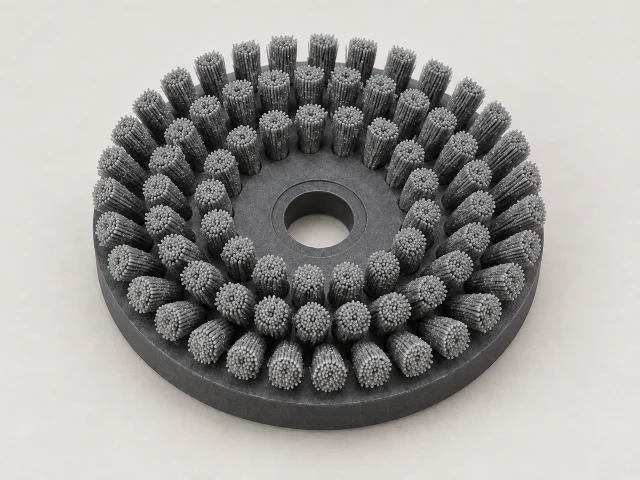
An abrasive-filament face for finishing trials. Specify the workpiece and required edge or surface result.
View construction & sizes →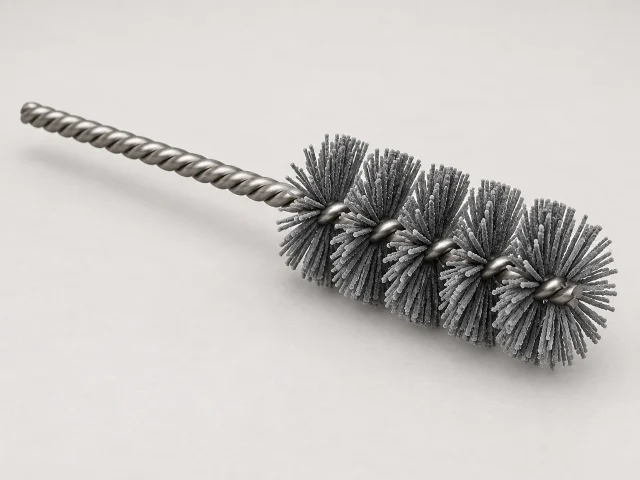
An abrasive-filament brush for bore finishing trials; supply bore dimensions and the target result.
View construction & sizes →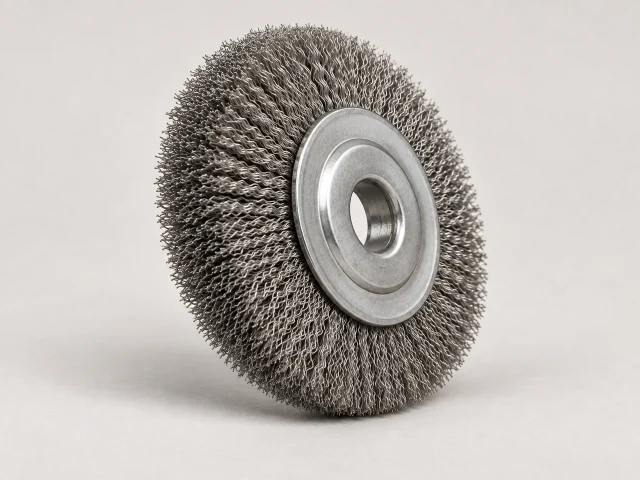
A radial wire working edge for accessible surfaces. Specify wire type, bore and machine speed.
View construction & sizes →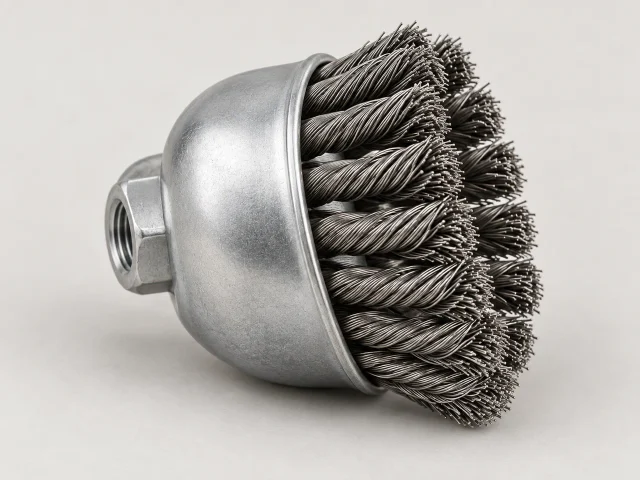
Wire bundles twisted into knots around a cup. Review the surface task and tool specification.
View construction & sizes →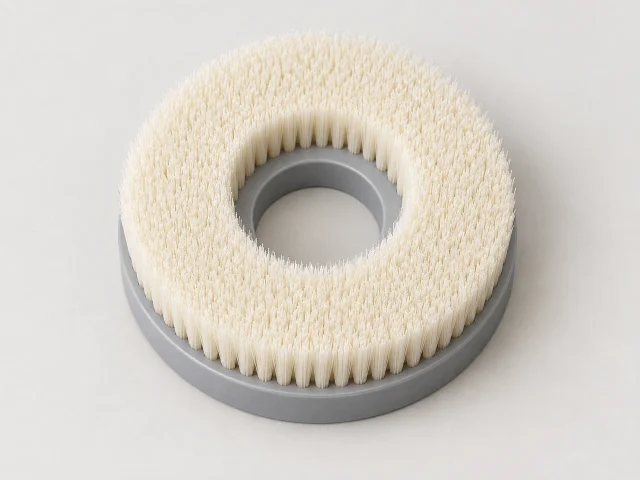
A fine-filament face for light brushing. Agree a finish sample rather than relying on image appearance.
View construction & sizes →Processes, brushes & dimensions
Clean the belt, guide the product or support a sensitive surface.
Select roller construction and fill around the residue and accessible belt section. Confirm shaft ends and working width.
Discuss this process →Plastic-backed strips can guide or wipe passing products. Set the contact to avoid unwanted marks.
Discuss this process →Short-filament panels support the contact surface. Confirm load, contact area and acceptable surface finish.
Discuss this process →Compare construction and size options for your process.
Filament tufts set into a cylindrical core; start with brush face length and shaft-end details.
View construction & sizes →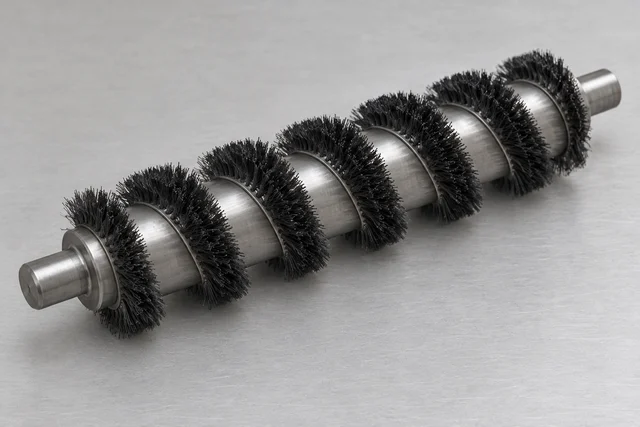
A strip wound around a core. Pitch and winding direction help define the working brush surface.
View construction & sizes →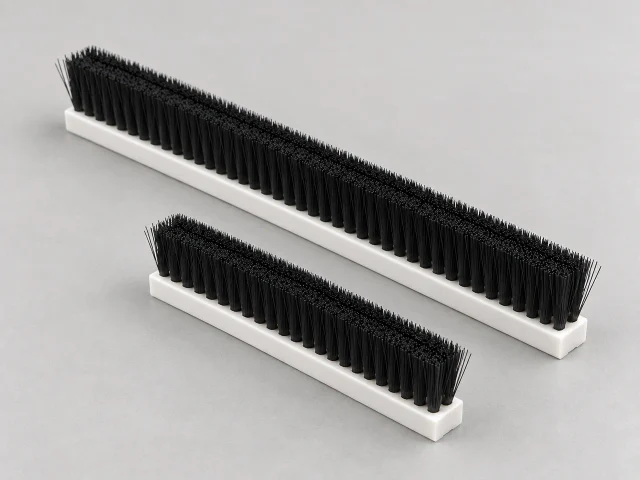
A rigid plastic carrier with filament rows; review the backing profile and fixing points.
View construction & sizes →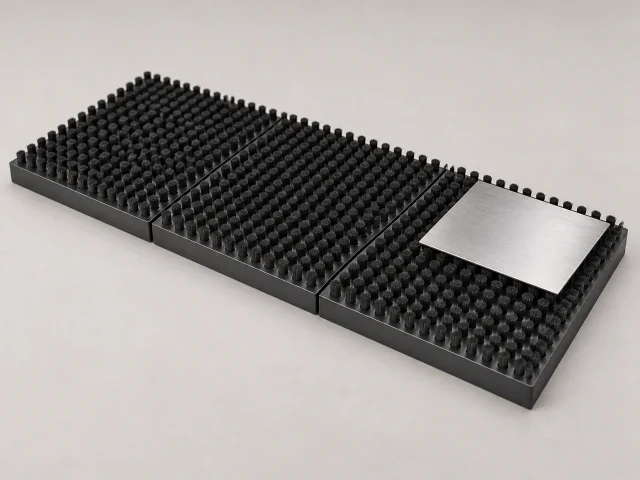
A broad short-filament surface for supporting workpieces; review load and surface sensitivity.
View construction & sizes →Processes, brushes & dimensions
Review the gap, movement and fixing before selecting a brush seal.
Match straight brush strips and holders to the door edge or equipment opening.
Discuss this process →A flexible backing follows suitable curves; confirm the bending direction and radius from the actual section.
Discuss this process →Formed strips can address ring or arc-shaped gaps. Confirm clear opening and mounting geometry.
Discuss this process →Compare construction and size options for your process.
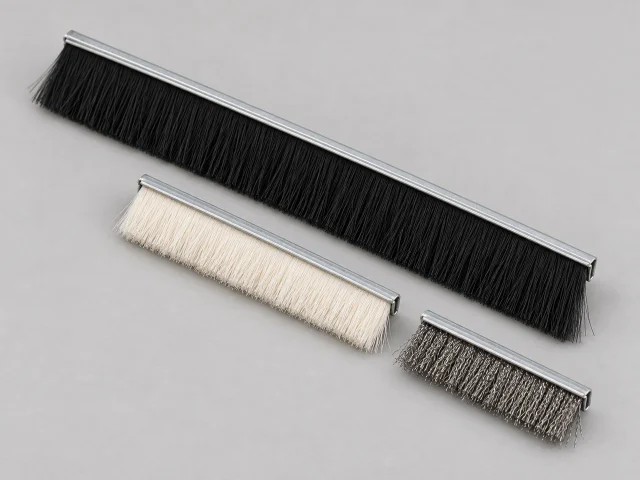
A straight metal channel retaining the filament. Record backing width, trim height and length.
View construction & sizes →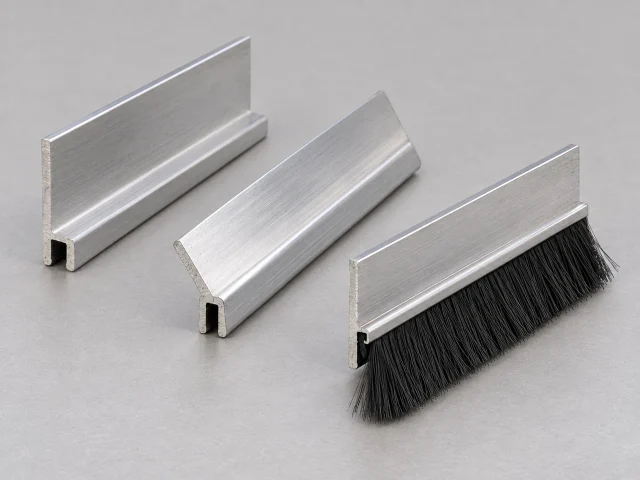
Holder profiles for strip installation. Match the channel to the actual brush backing.
View construction & sizes →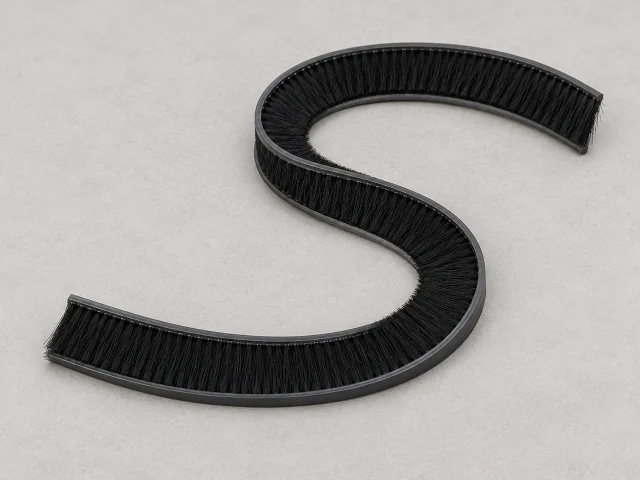
A flexible backing follows a curved installation path. Check bend direction and fixing method.
View construction & sizes →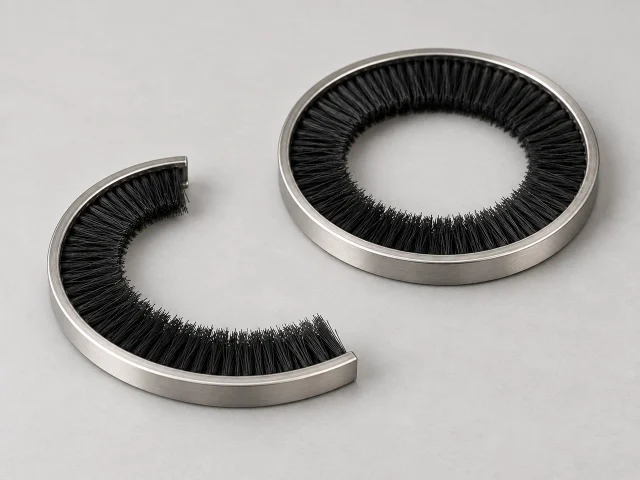
A strip formed into a curve or ring; distinguish inward, outward and axial filament directions.
View construction & sizes →Processes, brushes & dimensions
Choose contact materials around the glass surface and cleaning process.
Review roller fill and cleaning conditions against the glass type, especially for coated surfaces.
Discuss this process →Support panels need clean, suitable filaments and a verified contact load.
Discuss this process →Position strip brushes around the actual edge and travel path; review the risk of marking.
Discuss this process →Compare construction and size options for your process.
Filament tufts set into a cylindrical core; start with brush face length and shaft-end details.
View construction & sizes →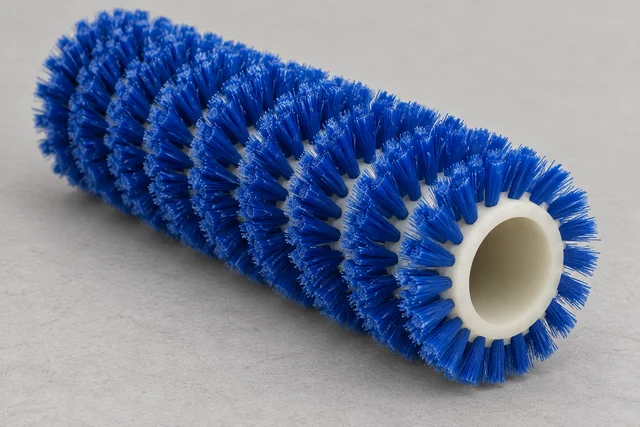
A hollow brush sleeve for a retained core or shaft. Confirm the bore, fit and end retention.
View construction & sizes →A broad short-filament surface for supporting workpieces; review load and surface sensitivity.
View construction & sizes →A rigid plastic carrier with filament rows; review the backing profile and fixing points.
View construction & sizes →Processes, brushes & dimensions
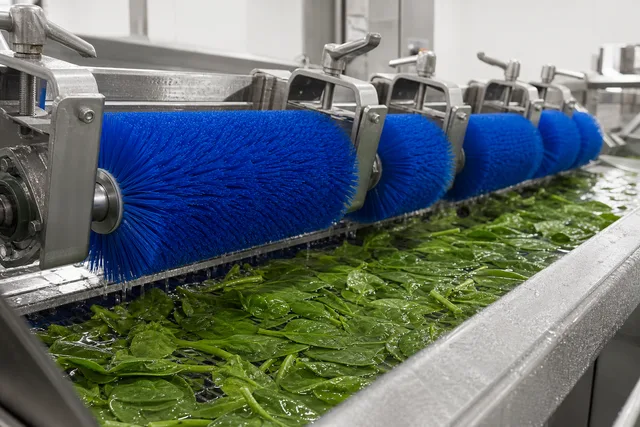
Separate cleaning, guiding and equipment maintenance requirements.
Roller arrangements depend on the produce and process. Specify cleaning and material documentation requirements.
Discuss this process →Review backing, fill and accessible cleaning surfaces before specifying a guide brush.
Discuss this process →Confirm bore dimensions and cleaning access. Do not assume all materials suit direct food contact.
Discuss this process →Compare construction and size options for your process.
Filament tufts set into a cylindrical core; start with brush face length and shaft-end details.
View construction & sizes →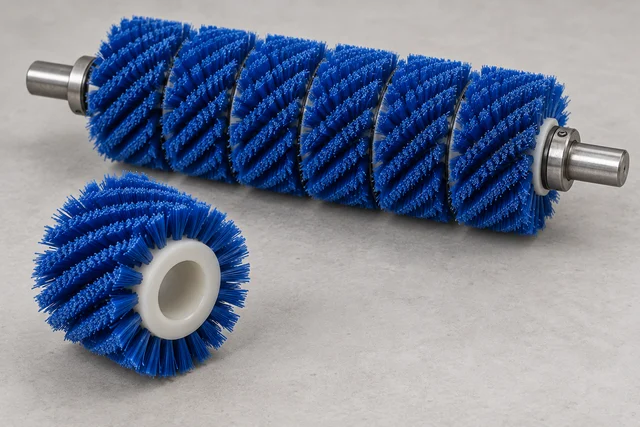
Brush sections assembled along a core; review segment width, retention and replacement access.
View construction & sizes →A rigid plastic carrier with filament rows; review the backing profile and fixing points.
View construction & sizes →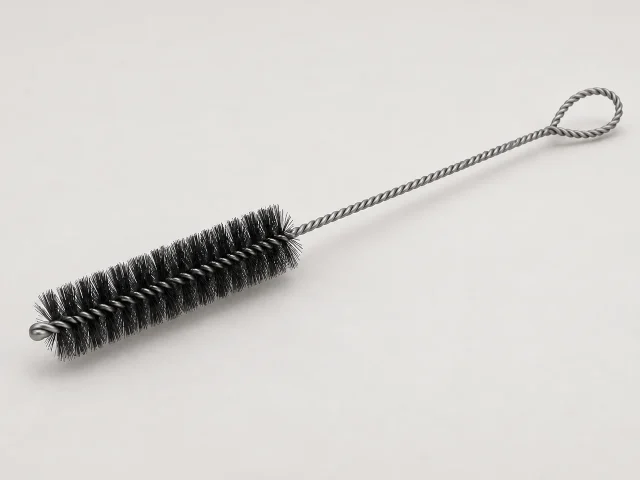
Filament retained between twisted wires; specify working diameter, filled length and tip.
View construction & sizes →Processes, brushes & dimensions
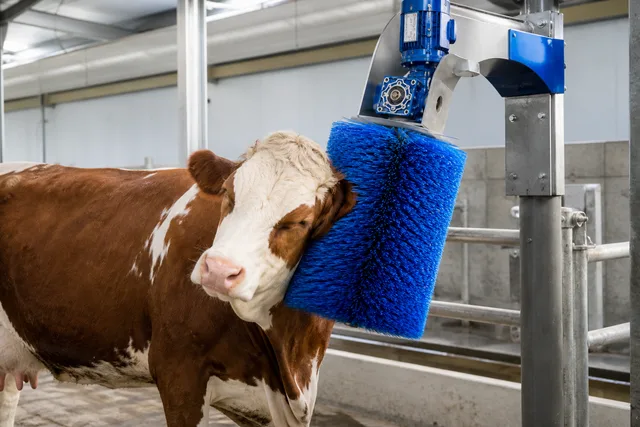
Brush components for agricultural equipment and grooming replacements.
Review residue, working width and drive mounting for the equipment brush.
Discuss this process →Match a replacement brush to the existing machine. Powered assemblies are outside the brush specification unless agreed.
Discuss this process →Confirm the animal, contact surface and secure fixing of the brush component.
Discuss this process →Compare construction and size options for your process.
Filament tufts set into a cylindrical core; start with brush face length and shaft-end details.
View construction & sizes →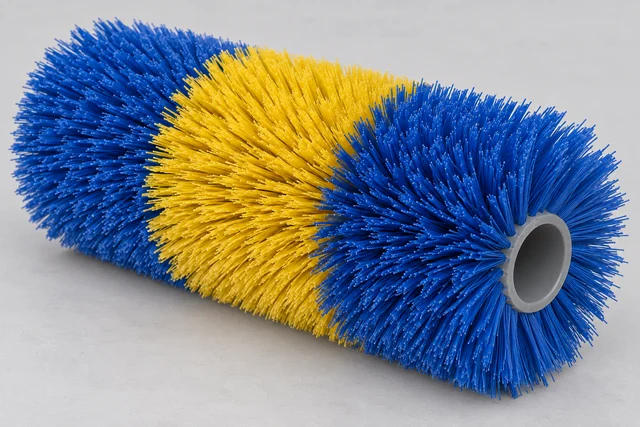
A replacement brush body for grooming equipment. Motor, frame and controls are outside this brush-body listing.
View construction & sizes →
Replaceable brush elements for an existing grooming assembly; match the core and retaining system.
View construction & sizes →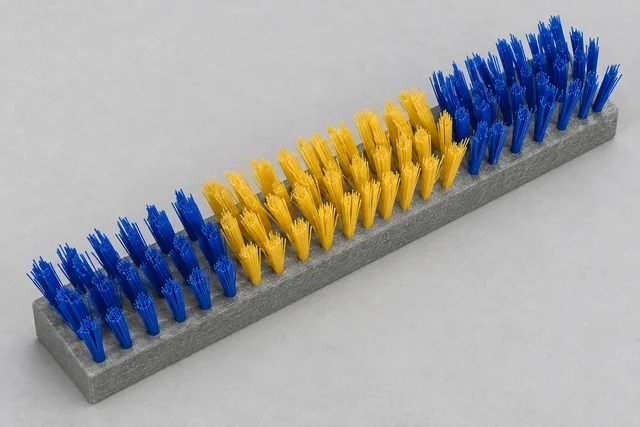
A fixed brush panel for animal contact. Review mounting surface, edge shape and filament feel.
View construction & sizes →Processes, brushes & dimensions
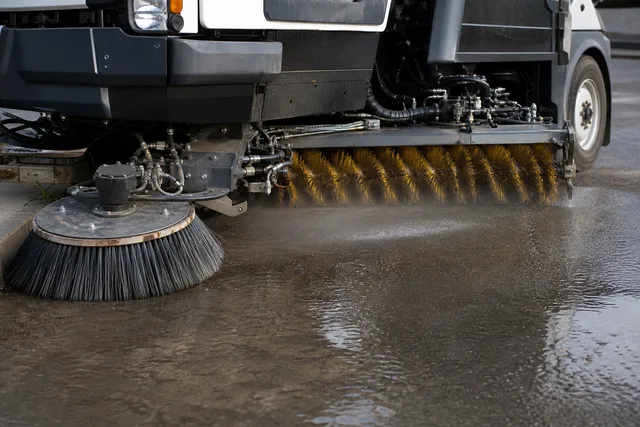
Match replacement brushes to the sweeper and working surface.
Check working width and both drive ends against the old brush or machine drawing.
Discuss this process →Working brush diameter differs from mounting plate diameter. Check hole pattern and fill angle.
Discuss this process →Match bore, drive tabs and segment geometry; model compatibility requires dimensional confirmation.
Discuss this process →Compare construction and size options for your process.
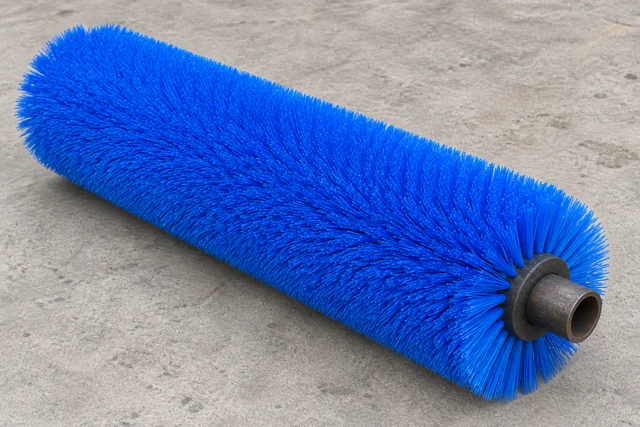
The cylindrical main brush of a sweeper. Supply overall length and both mounting ends.
View construction & sizes →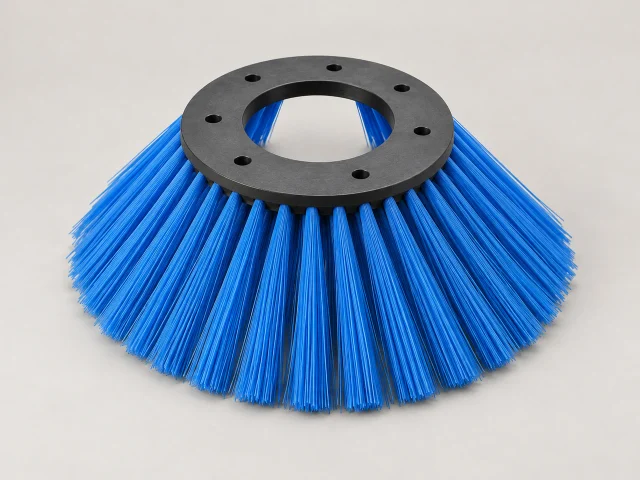
An outward-splayed circular brush for edge sweeping. Confirm plate and fixing-hole dimensions.
View construction & sizes →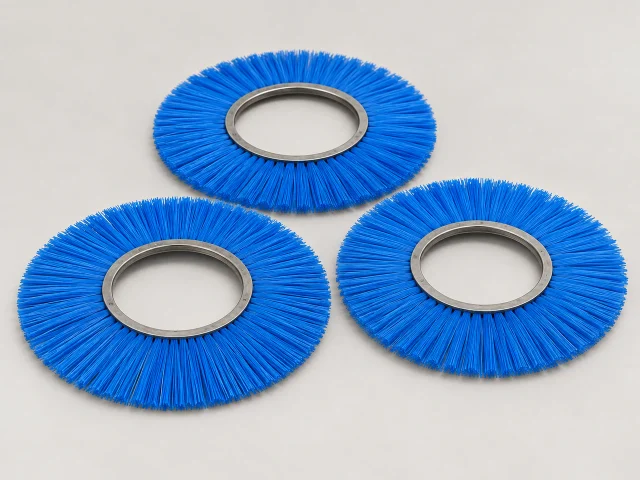
Individual brush rings assembled on a core; check bore, drive tabs and ring spacing.
View construction & sizes →
Replaceable brush sections matched to the retained carrier and fixing arrangement.
View construction & sizes →Describe the equipment, dimensions and quantity. Send drawings or old-brush photos by email.